Blog

Lavender Jadeite Exposed: Why This Soft Purple “Dream Stone” Is Quietly Skyrocketing In Value

Lavender Jadeite Exposed: Why This Soft Purple “Dream Stone” Is Quietly Skyrocketing In Value

Green jadeite gets all the attention. Imperial green bangles break auction records and dominate jewelry ads. But behind the scenes, another color is quietly exploding in popularity:

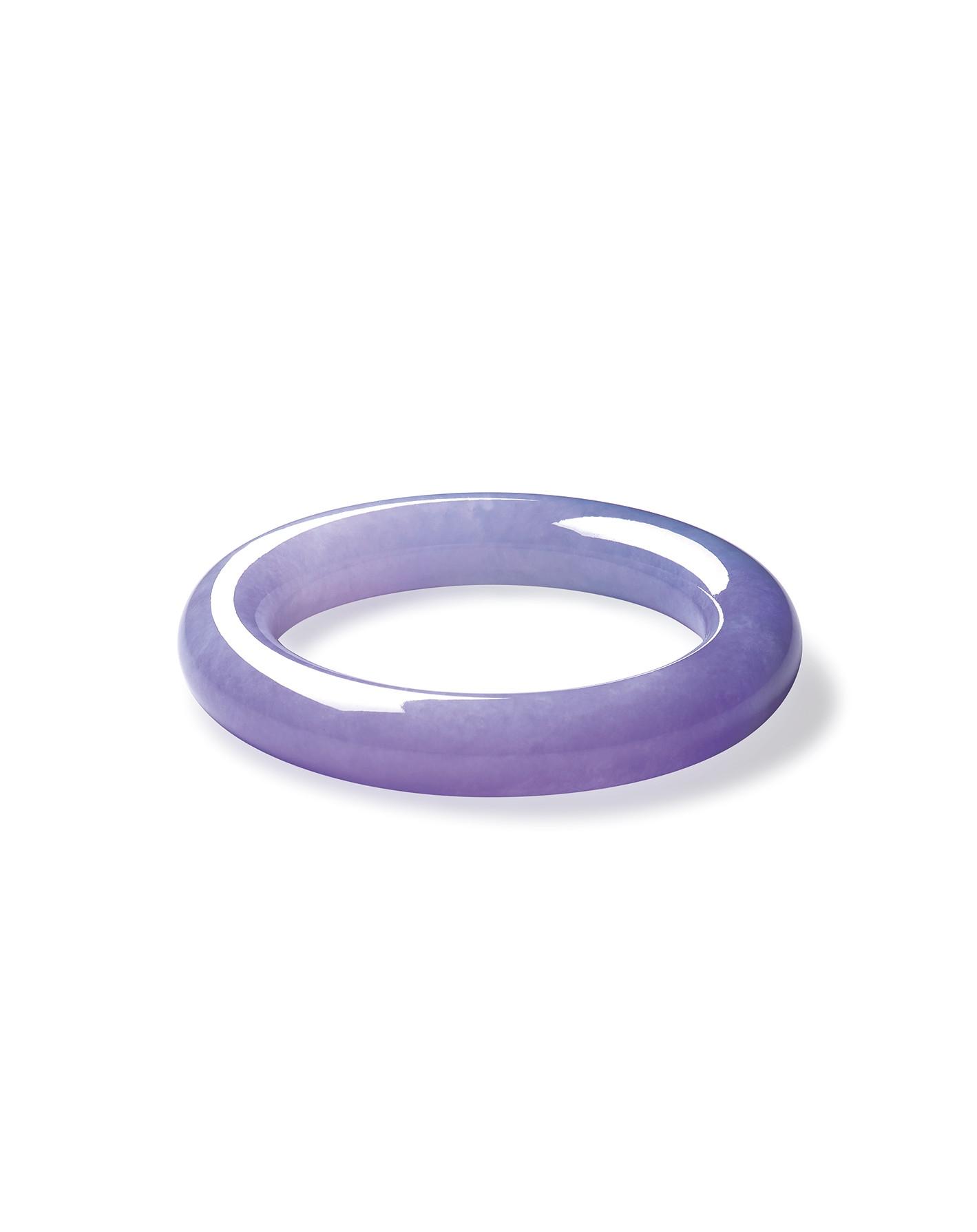
Lavender jadeite – the soft, dreamy purple variety that feels like mist, clouds, and moonlight trapped in stone.

In recent years, serious collectors and luxury buyers have started paying six-figure prices for top lavender jadeite bangles and pendants at major Hong Kong auctions.

This in-depth guide reveals why lavender jadeite is so coveted, where it comes from, what its color really means, and how to judge quality and value when you are buying.


What Exactly Is Lavender Jadeite (And Is It Really “Jade”)?

First, let us clear up the basics.

Jade vs. Jadeite: The Foundation

“Jade” in the jewelry world is a commercial name for two different minerals:

  1. Nephrite – a calcium magnesium iron silicate, usually more opaque and oily-looking.

  2. Jadeite – a sodium aluminium silicate with higher density and often higher transparency.

Lavender jadeite is a color variety of jadeite jade – not nephrite, not quartz, not glass. True lavender jadeite combines:

• Jadeite’s characteristic toughness and waxy-to-glassy luster
• A delicate violet to lilac color, often with pink or blue undertones

Most gem-quality lavender jadeite used in Chinese jewelry today originates from Myanmar (Burma), the same geological sources that produce imperial green jadeite.


Why Lavender Jadeite Exists: The Science Behind The Purple Glow

Where does that magical color come from?

Jadeite’s base color is usually white to pale green. Trace elements and structural changes can shift it toward new hues. For lavender jadeite, modern gemological research shows that manganese (and sometimes iron) in the crystal lattice plays a major role in producing violet to lilac colors.

Key points:

  1. The more favorable the manganese distribution, the stronger the violet tone.

  2. The crystal structure and grain size influence how light scatters, which affects softness or intensity of color.

  3. Because these conditions are hard to “engineer” in nature, top lavender jadeite is rare – especially when combined with good translucency and fine texture.

That rarity is a major foundation of its rising value.

Lavender Jadeite Meaning: The Spiritual And Emotional Side That Buyers Love

In Chinese culture, green jade is tied to prosperity and health. Lavender jadeite brings a slightly different, more emotional energy.

Traditional and modern interpretations often link lavender jadeite with:

  1. Emotional healing and calm
    – Soft purple tones are associated with peace, comfort, and release from stress.

  2. Love, romance, and harmony
    – The gentle lilac color is seen as supportive of relationships and emotional balance.

  3. Spiritual growth and intuition
    – Purple has long been a “spiritual” color in many cultures, connected with wisdom and higher consciousness.

  4. Femininity, grace, and elegance
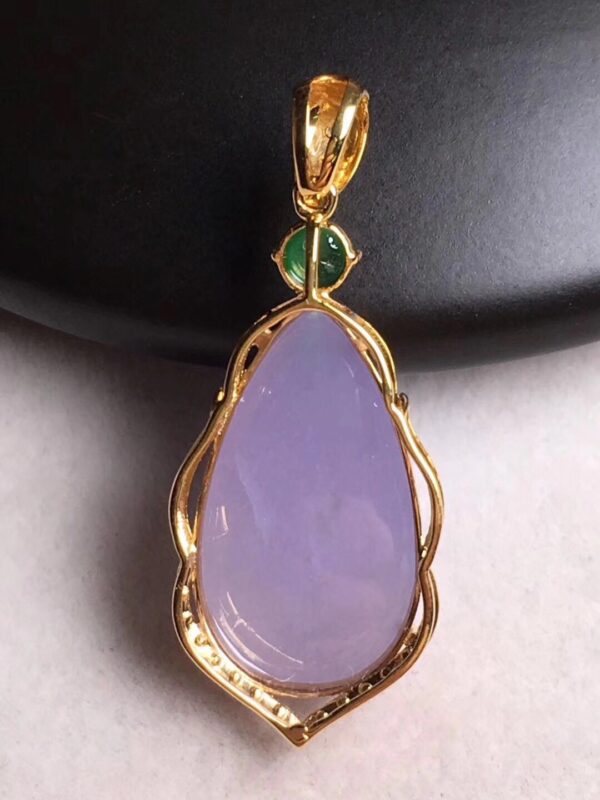
    – Lavender jade pendants and “pigeon egg” cabochons are especially popular in women’s fine jewelry, often set in yellow or rose gold to enhance the warm purple glow.

Because of this, lavender jadeite is often chosen for:

• Romantic gifts and anniversaries
• “Calming” talismans during stressful life phases
• Statement pieces for brides and formal occasions


How Rare Is Lavender Jadeite Really? (Hint: Much Rarer Than You Think)

Not all purple “jade” is equal.

True Lavender Jadeite vs. Dyed Imitations

Authentic lavender jadeite is:

• Natural jadeite jade with a stable violet to lilac hue
• Often semi-translucent (“icy”) with a soft inner glow
• Sometimes mixed with white or green zones

However, the market also contains:

  1. Dyed quartz or serpentine sold as “lavender jade”

  2. Type C dyed jadeite – real jadeite, artificially colored to look more purple

Professional sellers sometimes describe their finest natural pieces using phrases like:

• “High grade natural icy lavender jadeite”
• “Natural Myanmar icy lavender jadeite with no indications of dye or impregnation”

At auctions, GIA or other lab certificates specifically confirm that the color is natural and that no dye or polymer impregnation was detected. This separation of natural vs. treated stones creates a huge price gap.

Auction Reality: Six-Figure Lavender Bangles

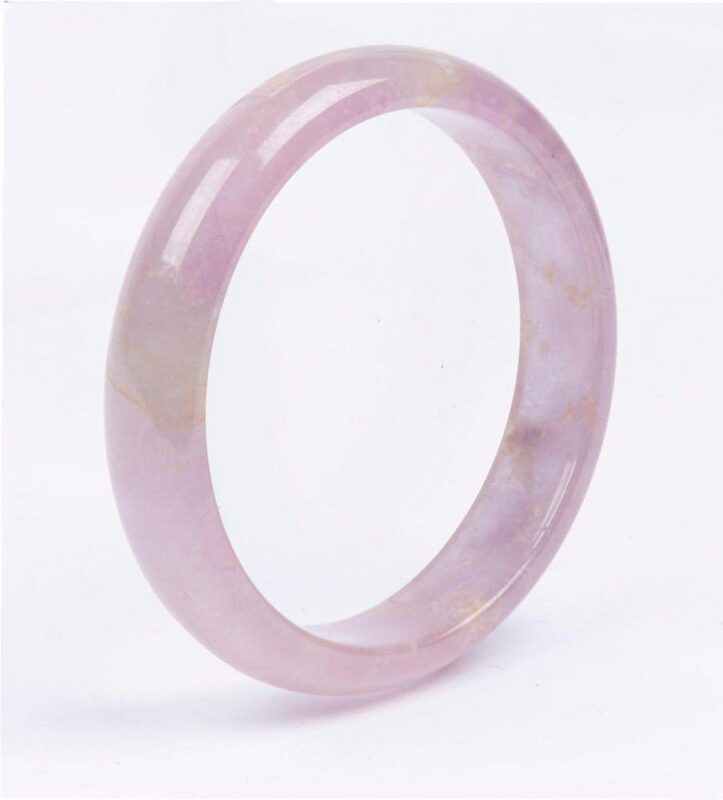
Recent auction catalogues from Hong Kong and other Asian jewelry centers show lavender jadeite bangles estimated in the hundreds of thousands of HKD when they exhibit:

• Intense lavender tone
• High translucency
• Even color distribution
• Natural Type A status, certified by major labs

That is why serious collectors treat top-level lavender jadeite as an asset class, not just an accessory.


The Lavender Jadeite Value Formula: 7 Factors That Decide The Price

Whether you are looking at a simple pendant or a major bangle, these seven factors drive lavender jadeite’s value.

1. Color Tone And Saturation

For lavender jadeite, color is the number-one factor.

Buyers look for:

Hue: pure, attractive lavender (violet with slight pink or blue) rather than grayish or muddy purple.
Saturation: rich enough to look obviously lavender at arm’s length, not so pale that it appears almost white.
Evenness: smooth color across the stone without large patchy zones, unless “spring” or artistic patterns are desired.

Top-grade stones are often described as:

• “Intense lavender tone”
• “Pinkish-purple with high translucency”

2. Transparency And “Icy” Quality

Transparency is a huge price driver in lavender jadeite.

Levels range from:

  1. Opaque

  2. Slightly translucent

  3. Translucent

  4. Semi-transparent / “icy” / “glass”

The market pays a premium when lavender color combines with icy translucency, giving the stone a glowing, almost jelly-like appearance. Many of the highest-value pendants and bangles fall into this “icy lavender” category.

3. Texture And Clarity

Fine lavender jadeite has:

• Very small, compact crystals (smooth texture)
• Few visible grainy or “sugary” specks
• Minimal dark inclusions or cloudy zones

Rough texture, visible grain, or black specks will pull prices down even if the color is good. In contrast, a “pigeon egg” cabochon with smooth, glassy texture and strong lavender is extremely valuable.

4. Carving, Cut, And Design

Popular forms include:

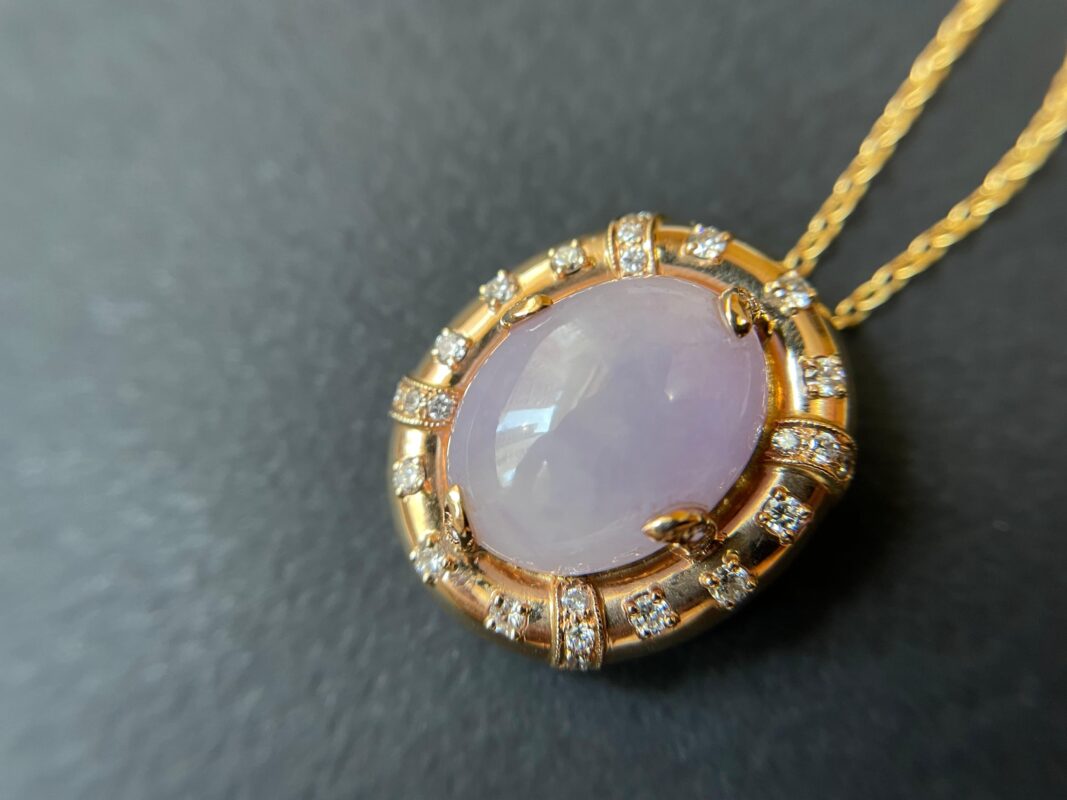
• Oval cabochon pendants (“pigeon eggs”) in high karat gold settings
• Buddha, gourd (hulu), and Ruyi motifs symbolizing blessings and prosperity
• Bangles with clean shape or carved dragon/phoenix patterns

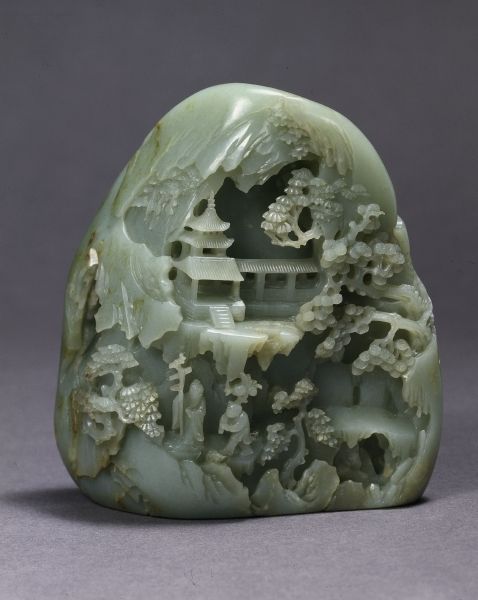
Expert carving that enhances light return and preserves color uniformity adds value. Poorly planned designs can waste color zones or create thin, fragile edges that lower perceived quality.

5. Size And Thickness

All else equal:

• Larger pendants, beads, and bangles with good color and translucency are rarer and more expensive.
• Thick bangles or substantial cabochons require exceptionally clean rough material.

This is why high-grade, larger lavender stones in clean Type A condition can reach very high price levels.

6. Treatment Status (A, B, C)

As with green jadeite, treatment drastically affects value.

Type A – natural lavender jadeite, only polished and waxed: top prices.
Type B – bleached and polymer-filled jadeite: much lower, often unstable value.
Type C – dyed lavender jade or dyed quartz marketed as “lavender jade”: fashion-only value.

Serious buyers insist on Type A with clear lab documentation.

7. Certification, Brand, And Provenance

Value is reinforced by:

• Certificates from reputable labs (GIA or major Asian gem labs) explicitly stating “natural jadeite jade” and “no indications of dye or impregnation.”
• Well-known artisan workshops or designer brands.
• Auction records and provenance (for investment-grade pieces).


How To Know If Lavender Jadeite Is Natural Or Dyed: Practical Tips

Lab testing is the only 100% reliable answer, but you can apply some basic filters when browsing online or in-store.

  1. Look At The Price Level
    – True natural lavender jadeite with good color and translucency is never cheap. Suspiciously low prices usually indicate dyed stones or imitations.

  2. Check Color Distribution
    – Natural lavender often shows subtle gradients or cloudy areas.
    – Intense, perfectly uniform purple in low-cost items is a red flag for dye.

  3. Inspect Under Magnification
    – Dye tends to accumulate along fractures or grain boundaries, forming darker lines or patches.
    – Natural stones show internal structures but not concentrated dye pools.

  4. Ask About Certificates
    – For anything above casual fashion budget, request certificates from recognized labs.
    – Wording should confirm: “natural jadeite jade” and “no indications of dye or impregnation.”

  5. Consider The Setting Quality
    – High-end natural lavender jadeite is usually set in 18K gold or platinum with good craftsmanship.
    – Crude metalwork around a supposedly “top-grade” stone is a warning sign.


Styling Lavender Jadeite: How To Wear This Color For Maximum Impact

One reason lavender jadeite is becoming so popular is its versatility. It pairs beautifully with modern, minimalist fashion.

Minimalist Everyday Look

• Small lavender cabochon pendant on a delicate gold chain
• Icy lavender bead bracelet stacked with thin gold bangles
• Simple lavender jadeite stud earrings with clean settings

This keeps the overall look soft and calm, perfect for office or casual outfits.

Statement Occasion Look

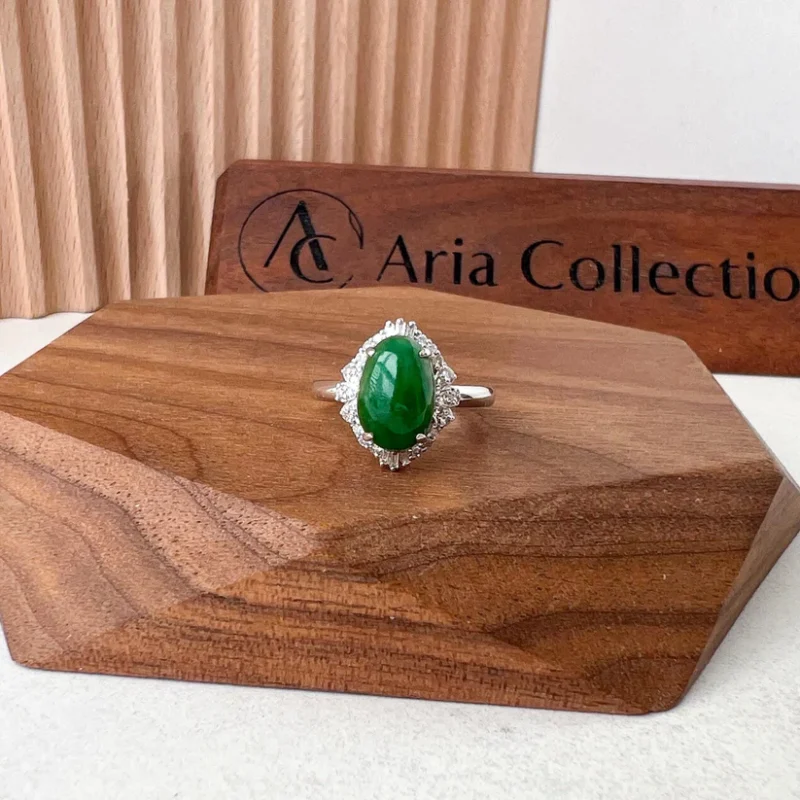
• Large “pigeon egg” lavender jadeite pendant framed with diamonds in yellow or rose gold
• Bold lavender jadeite cocktail ring
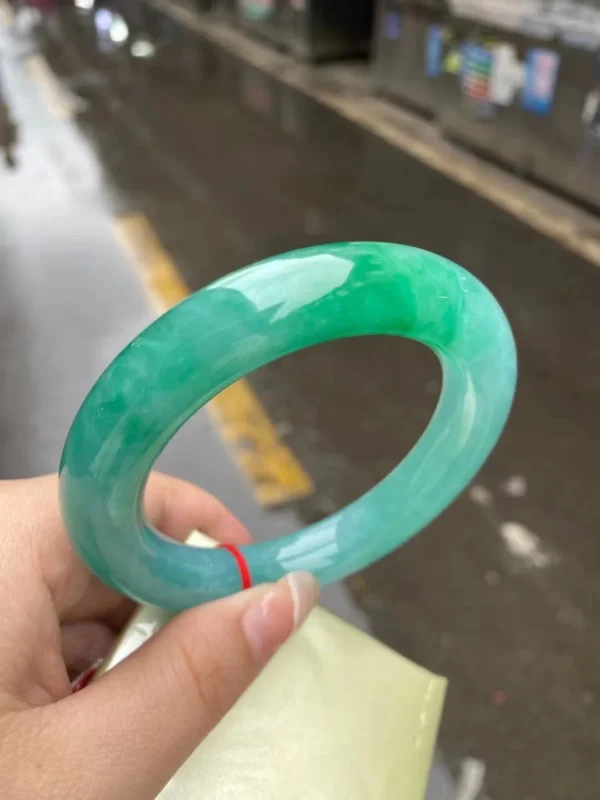
• Intense lavender jadeite bangle as a single hero piece on one wrist

Mixed With Green Jadeite

Lavender and green jadeite worn together create a powerful visual and symbolic contrast:

• Green = prosperity, health, and growth
• Lavender = emotional calm, spiritual harmony, and love

Many designers combine small emerald-green accents around a main lavender stone for this reason.
Lavender Jadeite Buying Checklist: For Online And In-Store Shoppers

Use this quick checklist before you click “buy now” or swipe your card.
  1. Confirm It’s Jadeite, Not Just “Jade”
    – Product description should say “jadeite jade,” not just “jade” or “stone.”

  2. Ask About Treatment
    – Look for clear statements like “natural Type A lavender jadeite, no dye, no impregnation.”

  3. Request Certification For Expensive Pieces
    – Especially bangles and large pendants.

  4. Study Photos/Video In Neutral Light
    – Avoid judging color from heavily filtered photos. Request natural daylight images.

  5. Check Seller Reputation And Policies
    – Established jade specialists with return policies are safer than anonymous marketplace listings.

  6. Balance Heart And Head
    – Choose a piece whose color and shape you truly love, but also meets your quality and documentation standards.


SEO-Focused FAQ: Common Questions About Lavender Jadeite

Is Lavender Jadeite More Rare Than Green Jadeite?

Top-grade lavender jadeite with strong color and high translucency is considered relatively rare compared to many commercial green grades. While imperial green still leads in price, high-end lavender jadeite bangles and pendants can also achieve very strong auction results.

Does Lavender Jadeite Change Color Over Time?

Natural lavender jadeite is generally stable under normal wear. However, strongly dyed stones (Type C) can fade or shift color with sunlight or chemicals. This is one reason why certificates confirming natural color are important.

What Does Lavender Jadeite Symbolize?

Lavender jadeite is often associated with emotional healing, calm, romance, spiritual insight, and feminine grace – a softer, more introspective energy compared to bold green jadeite’s focus on wealth and power.


Is Lavender Jadeite A Good Investment?

It can be, if you select carefully:

• Natural Type A stones
• Strong lavender color
• Good translucency and texture
• Reputable lab certification

As with all gems, buy quality, not just low price. Seek trusted dealers and, where possible, auction records or professional appraisals.

Leave a Reply

Your email address will not be published. Required fields are marked *