Blog

Chinese Jadeite: The Ultimate Guide To “Green Gold” From Its Origins To Modern Value

Chinese Jadeite: The Ultimate Guide To “Green Gold” From Its Origins To Modern Value

Chinese jadeite is one of the few gemstones that can quietly outprice diamonds. Auction records in Hong Kong and Beijing are full of simple green bangles selling for the price of luxury apartments. Yet most buyers still ask the same questions:

• Where does “Chinese” jadeite actually come from?
• Why are some pieces worth a few dollars and others worth a fortune?
• How can you tell if a jade bangle is real, natural jadeite or a treated fake?

In this in-depth guide, you will learn everything essential about Chinese jadeite: its true origin, the factors that create value, the A/B/C grading system, and practical tips to buy with confidence.


What Exactly Is Chinese Jadeite (And Why Collectors Call It “Green Gold”)?

Most people say “jade” as if it is one single stone. In reality, jade is an umbrella name for two different minerals:

  1. Nephrite

  2. Jadeite

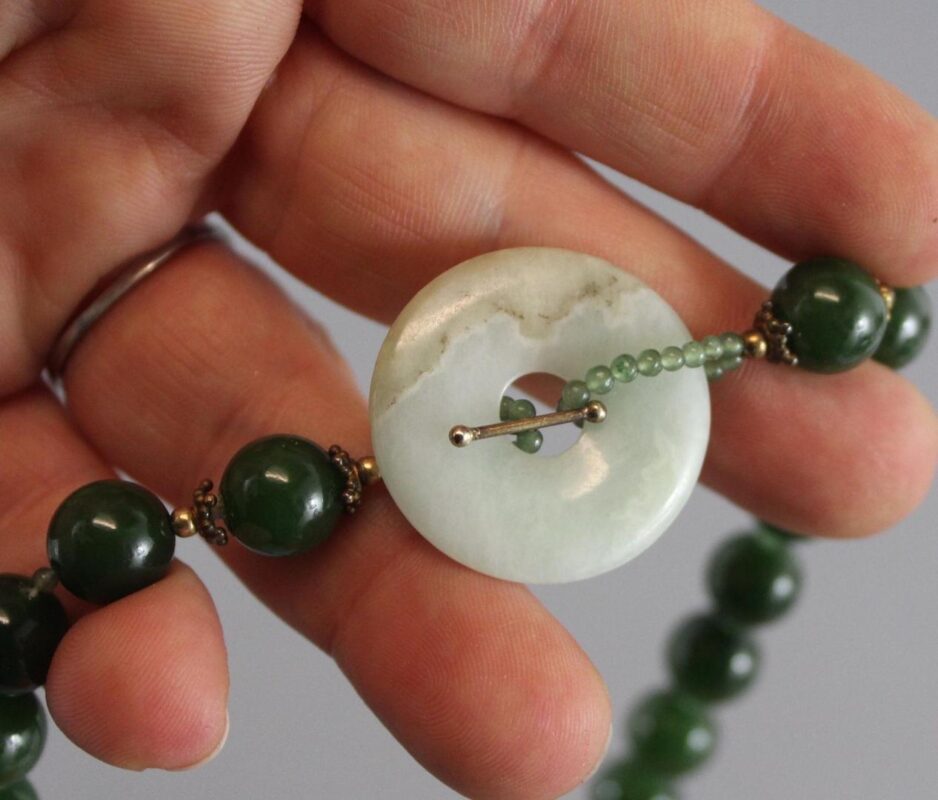
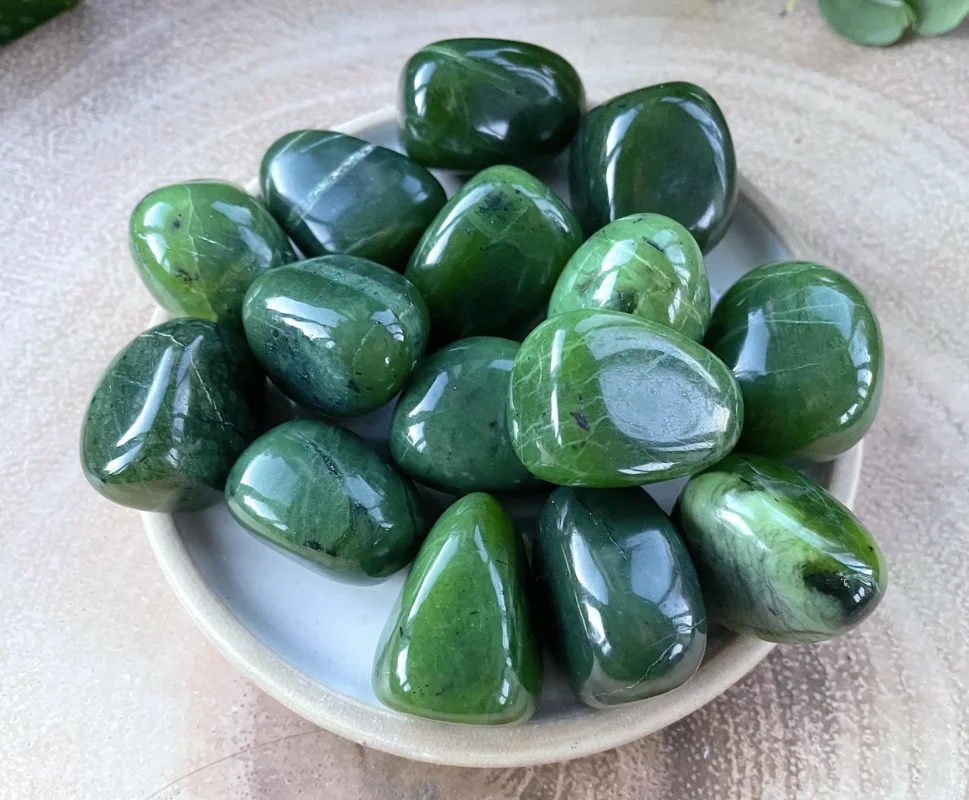
Nephrite is an older, tougher material historically used in early Chinese rituals and carvings. Jadeite, however, is the brighter, more vibrant “modern star” of the jade world. Mineralogically, jadeite is a sodium- and aluminium-rich pyroxene with a tightly interlocking crystal structure that gives it impressive toughness and a distinctive waxy to vitreous polish. Wikipedia

When collectors talk about “Chinese jadeite” today, they usually mean high-quality jadeite jade cut and carved for the Chinese and broader Asian market. Its top color, a vivid emerald-like tone known as “imperial green,” is so coveted that fine, translucent material can reach some of the highest per-carat prices in the colored gemstone world. International Gem Society

In Chinese culture, jadeite is far more than a pretty green stone. It is believed to symbolize:

• Purity and virtue
• Harmony and balance
• Protection and good fortune
• Longevity and prosperity

Because of this, many Chinese families treat a fine jadeite bangle or pendant as a long-term heirloom, not just a fashion accessory.


The Real Origin Story: Where Does “Chinese” Jadeite Come From?

Here is one of the biggest surprises for new collectors:

Most top-quality jadeite used in Chinese jewelry does not actually come from within China.


Myanmar: The Heart of the Jadeite World

Geologically, the world’s most important source of gem-quality jadeite is northern Myanmar (formerly Burma). The famous “Jade Tract” in Kachin State, especially around the Uyu River region, has produced the finest vivid green imperial jadeite for centuries. Wikipedia

Key points about Burmese jadeite:

  1. It forms in high-pressure metamorphic rocks in narrow, irregular lenses.

  2. Mining takes place in open pits and tunnels, often under challenging conditions.

  3. Rough boulders are shipped to cutting centers (frequently in China and Hong Kong), where experienced buyers gamble on what lies beneath the skin.

It is estimated that Myanmar is the origin of the majority of the world’s high-end jadeite used in jewelry today. Wikipedia

How Jadeite Became a Chinese Obsession

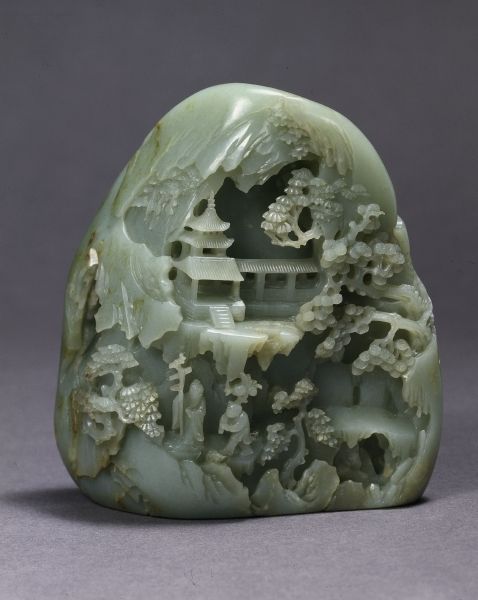
Historically, China’s own “jade culture” was built on nephrite from Xinjiang and other regions. Jadeite only entered the Chinese luxury scene in large quantity in the late 18th and early 19th centuries, when Burmese material began flowing along trade routes into the Qing court. Wikipedia

Collectors quickly fell in love with:

• The intense, glowing green color
• The glassy to icy transparency
• The way light seems to sink into the stone instead of just reflecting off the surface

By the late Qing period, jadeite had essentially become the new “imperial jade,” dominating high-end jewelry and status pieces.


The A/B/C Jadeite Code: How Treatments Affect Value (And Why A-Jade Wins)

In the modern market you will constantly hear dealers talk about “Type A, B, C jade.” This is a critical code for understanding value.

Type A Jadeite – 100% Natural, Untreated

Type A jadeite is:

• Natural jadeite jade
• No artificial treatments except a traditional surface waxing

It has not been bleached, impregnated with polymers, or dyed. Because it preserves the original crystalline structure and color, Type A is the most stable, durable, and expensive category. Wikipedia+1

When serious collectors say they only buy “A-jade,” this is what they mean.

Type B Jadeite – Bleached and Polymer-Impregnated

Type B jadeite starts as lower-grade material with stains or dark inclusions. To make it look more attractive, it is:

  1. Soaked in strong acids to remove stains and impurities.

  2. Impregnated with clear polymer resin to harden the now weakened structure and improve brightness.

The final result is a lighter, more translucent look, but the stone is significantly less durable and can become cloudy or yellow over time. Yukimoto+2Jadeite Atelier+2

Type C Jadeite – Dyed Color

Type C jadeite is:

• Dyed or stained to enhance or completely change the color

Often, dark green or uneven material is dyed to mimic fine imperial green. Over time, color can fade or change, especially with exposure to light and household chemicals. BKLA+1

Type B+C Jadeite

Some stones are both bleached, polymer-filled, and dyed. These are labeled B+C and are the least desirable for serious collectors.

For long-term value, Chinese and international buyers overwhelmingly prefer certified Type A jadeite.


7 Value Drivers That Decide The Price Of Chinese Jadeite Today

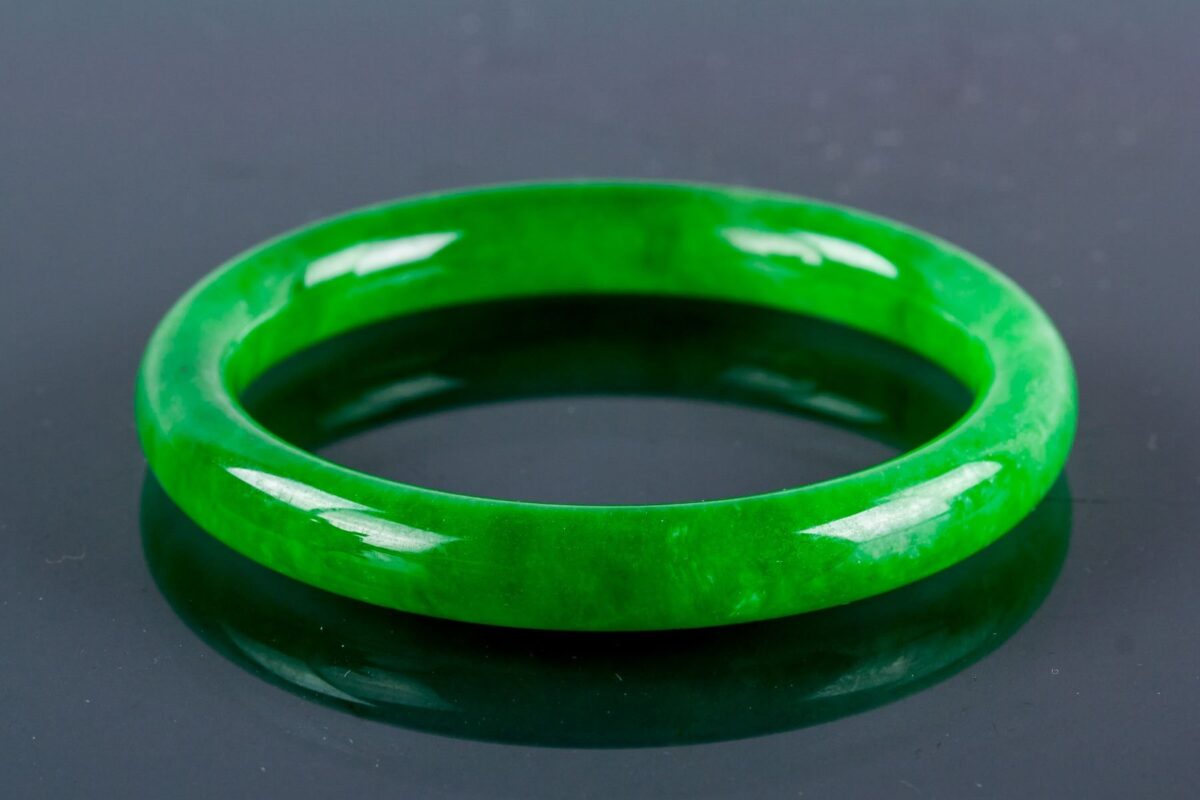
Why can one jadeite bangle cost $100 and another $100,000? The answer lies in seven main value factors.

1. Color: The King Of Value

Color is the single most important factor for jadeite pricing. GIA+2FYORO+2

Buyers look for:

• Hue: A pure, vivid green without brown or gray overtones commands the highest price.
• Saturation: Rich, intense color is more valuable than pale or washed-out green.
• Evenness: Patches, streaks, or blotches usually reduce value (although attractive “spring green” patterns can still be desirable).

The top of the pyramid is “imperial green”:

• Strong, glowing emerald-like hue
• High translucency
• Even color distribution

Fine imperial green Type A jadeite with excellent clarity and polish can reach extreme prices at auction. International Gem Society

2. Transparency: From Opaque To Icy

Jadeite ranges from completely opaque to highly translucent. The more light that seems to pass through the stone, the more desirable it becomes.

Common trade levels:

  1. Opaque: Suitable for beads and carvings, usually lower-priced.

  2. Translucent: Light penetrates the stone, giving it a soft glow.

  3. Semi-transparent / “icy”: Very fine material where light flows beautifully through the piece, often fetching premium prices. GIA+1

3. Texture: Fine, Smooth, And Even

High-quality jadeite has a very fine, compact grain, resulting in:

• A smooth, almost oily surface
• Minimal visible speckles or granular structure

Coarse or sugary textures scatter light and reduce the perceived quality. Fine texture is often associated with better durability and more elegant polish. GIA+1

4. Clarity And Inclusions

While some internal features are expected, heavy dark spots, cracks, or cloudy zones can significantly lower value. Tiny, subtle inclusions that do not break the surface are usually acceptable, particularly in otherwise excellent color and transparency.

5. Cut, Shape, And Style

In Chinese jadeite jewelry, certain forms are particularly beloved:

• Solid bangles (round or oval in cross-section)
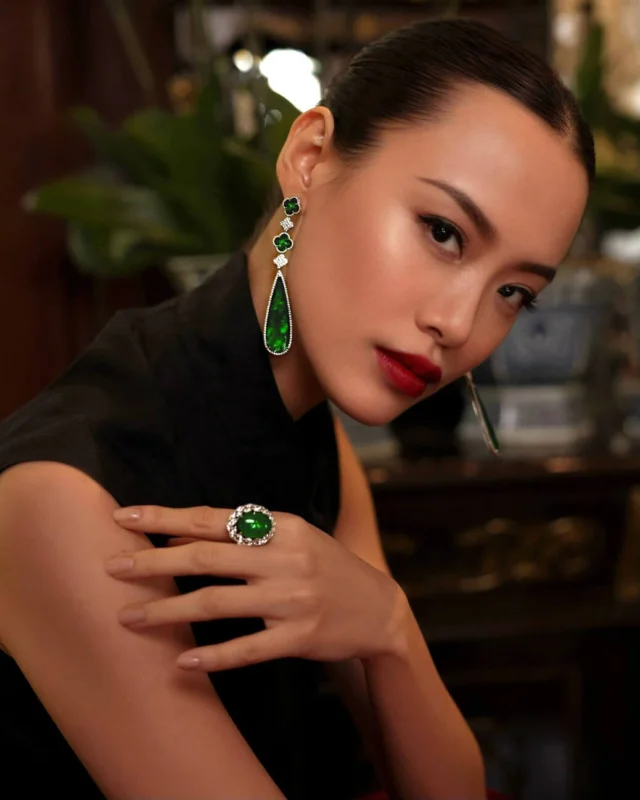
• Cabochon rings and earrings
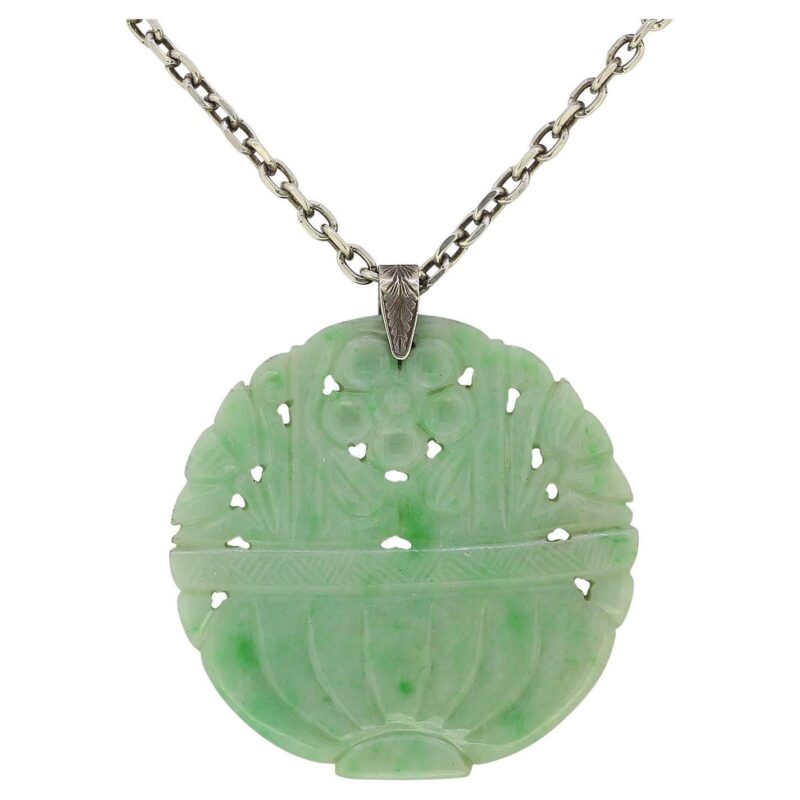
• “Hulu” gourd pendants (symbol of prosperity and protection)
• Dragon and phoenix motifs

Because bangles require large pieces of clean, crack-free rough, they command especially strong prices in fine material.

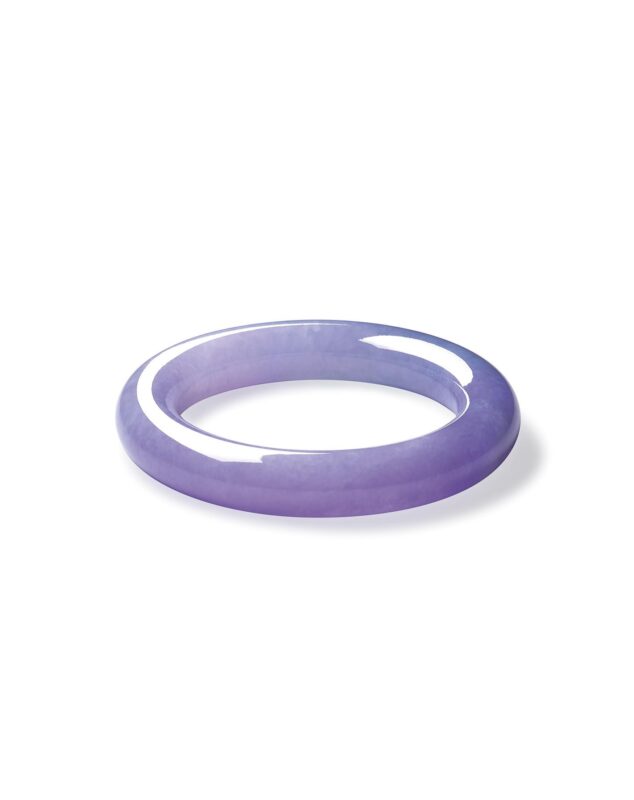
Jade-Colors-10c-1536x1024

6. Size And Thickness

All else equal, larger pieces of high-quality jadeite are much rarer and therefore more expensive. A thick, well-colored bangle with good translucency will carry a substantial premium over a thin, pale version.

7. Origin, Certification, And Brand

Jadeite with credible documentation from respected gemological labs (for example, confirming “natural jadeite jade, no detectable treatment”) sells more easily and at stronger prices. International Gem Society+1

In addition, well-known brands, master carvers, or pieces with auction history can add significant collectability.


How Much Is Chinese Jadeite Worth Right Now?

Exact values change constantly with supply, demand, and fashion trends. However, here is a general overview to show the scale of the market:

  1. Fashion Jewelry Level
    • Mixed-color or pale opaque jadeite
    • Mass-produced bangles, beads, and pendants
    • Often Type B or C treated material
    • Price: Low to moderate, mainly attractive as fashion accessories

  2. Mid-Market Natural A-Jade
    • Decent color, moderate translucency, acceptable texture
    • Certified natural jadeite (Type A)
    • Popular for everyday bangles and pendants
    • Price: From a few hundred to a few thousand USD, depending on quality

  3. High-End Collector Grade
    • Type A imperial green or highly translucent icy material
    • Fine polish, strong color, minimal inclusions
    • Often sold at major auction houses or by specialist dealers
    • Price: Can reach tens or even hundreds of thousands of USD for exceptional pieces International Gem Society

For investors and collectors, the key is not just “buying jade,” but buying the best possible combination of color, transparency, texture, and craftsmanship within your budget.


Authenticity Checklist: 9 Practical Ways To Spot Real vs Fake Chinese Jadeite

Nothing hurts more than discovering your “dream bangle” is actually a cheap, treated stone. While only a professional lab can give a 100% reliable verdict, you can use this simple checklist as a first filter.

  1. Certification First
    • Ask for a report from a recognized gemological lab specifying “natural jadeite jade, no detectable treatment.”
    • Be cautious of sellers who cannot provide documents for high-priced pieces.

  2. Surface Feel
    • High-quality jadeite feels cool to the touch and warms slowly against the skin.
    • Plastic and glass imitations heat up much faster.

  3. Weight
    • Jadeite is relatively dense; a genuine piece usually feels heavier than it looks when compared with plastic or resin.

  4. Luster
    • Natural jadeite has a soft, waxy to vitreous luster.
    • Plastic often looks dull; glass may appear overly glassy and sharp.

  5. Under Magnification
    • Real jadeite shows a fibrous or granular structure.
    • Glass imitations have bubbles; dyed stones may show concentrated color along cracks or grain boundaries.

  6. Sound Test (For Bangles)
    • Gently tapping two jadeite bangles together produces a clear, bell-like ring in fine material.
    • Plastic makes a muted “thud.”
    • Note: do this carefully; never strike pieces hard enough to risk cracks.

  7. Color Clues
    • Natural color is usually slightly uneven, with gentle gradients.
    • Very aggressive, neon-like greens or perfectly uniform color in cheap stones may indicate dye.

  8. Price Reality Check
    • If a “top imperial green” bangle is offered at a discount-store price, assume there is a catch.
    • High-quality jadeite is rare and does not sell cheaply.

  9. Buy From Reputable Sources
    • Established dealers with a long track record, transparent return policies, and proper documentation are safer choices than anonymous online sellers.

Remember: if you plan to spend serious money, laboratory testing is not an extra cost; it is part of the investment.


Caring For Chinese Jadeite: 6 Rules To Keep Its Glow For Generations

Once you own a beautiful piece of jadeite, proper care will help it stay gorgeous for decades.

  1. Avoid Harsh Chemicals
    • Keep jadeite away from bleach, strong cleaning agents, hair dyes, and acidic solutions. These can damage the polish and, in treated stones, accelerate deterioration.

  2. Gentle Cleaning Only
    • Use lukewarm water, mild soap, and a soft cloth.
    • Rinse thoroughly and dry before storing.

  3. Protect From Hard Knocks
    • Jadeite is tough but not indestructible. Sharp blows, especially to bangles, can cause cracks.
    • Remove jewelry during sports or heavy manual work.

  4. Do Not Steam-Clean Or Ultrasonic Clean
    • These methods are risky, especially for treated or heavily included jadeite.

  5. Store Separately
    • Keep jadeite pieces in soft pouches or lined boxes to avoid scratches from other gemstones or metals.

  6. Wear It Often
    • Many collectors believe jade looks best with regular wear, as natural skin oils help maintain its luster.


SEO-Focused FAQ: Questions People Ask About Chinese Jadeite

Is Chinese Jadeite The Same As Jade?

“Jade” can mean either nephrite or jadeite. Chinese jadeite refers specifically to jadeite jade, the rarer and usually more valuable of the two, widely used in modern Chinese jewelry. Wikipedia

Why Is Chinese Jadeite So Expensive?

Top-quality jadeite is rare, especially imperial green stones with high translucency and fine texture. Combine this rarity with centuries of cultural prestige and strong demand from Chinese and global collectors, and the result is very high prices for the best material. International Gem Society

What Is A-Grade Jadeite?

A-grade (Type A) jadeite is natural, untreated jadeite jade. It has only been cleaned and polished, sometimes with surface wax, but has not been bleached, impregnated with polymers, or dyed. This is the most respected and valuable category. Wikipedia+1

Can I Invest In Chinese Jadeite?

Yes, many collectors treat high-end jadeite as a store of value. However, the market is very specialized. If you are investing, focus on certified Type A stones with strong color, transparency, and fine craftsmanship, and buy from reputable experts.

How Do I Start Buying Chinese Jadeite Safely?

  1. Educate yourself on A/B/C classifications.

  2. Start with reputable dealers who offer certificates and clear return policies.

  3. Begin with good mid-range A-jade before moving to large, high-price pieces.

  4. When in doubt, insist on independent gemological testing.

Leave a Reply

Your email address will not be published. Required fields are marked *